Sort & Filter

Door Style

Door Material

Door Configuration

Manufacturer

Glass

Door Width (inches)

Door Height (inches)

Interior Wood Doors

Find the right interior wood door for your home. Our selection includes a range of styles, wood types, and panel designs to match different rooms and architectural looks.

Helpful Interior Wood Doors Information

What are the different types of wood interior doors?

Interior wood doors generally fall into a few main categories:

  • Solid Wood Doors: Made from full pieces of natural wood. They’re durable, offer great sound reduction, and have an authentic, premium feel.
  • Engineered or Solid Core Doors: Built with a solid interior core and a wood veneer exterior. They mimic the look and weight of solid wood but are more stable and budget-friendly.
  • Hollow Core Doors: Lightweight doors made with a thin wood veneer and hollow interior structure. They’re affordable and common in many homes, though they provide less sound insulation.
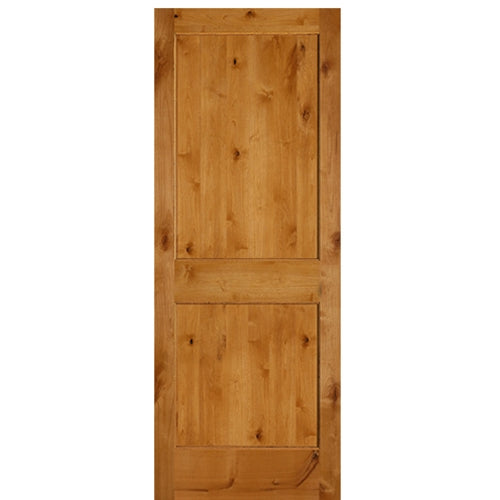
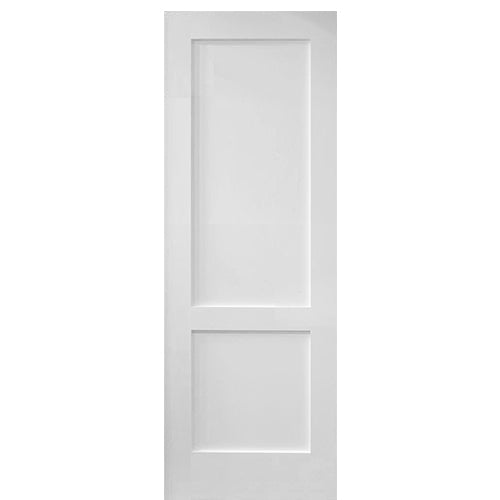
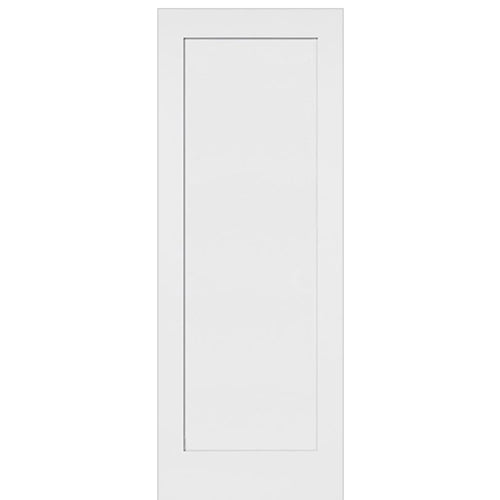
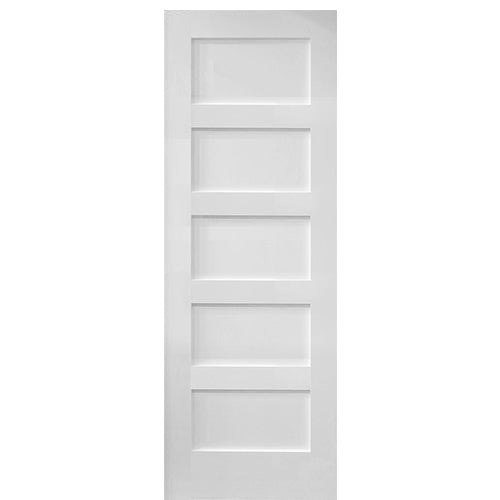
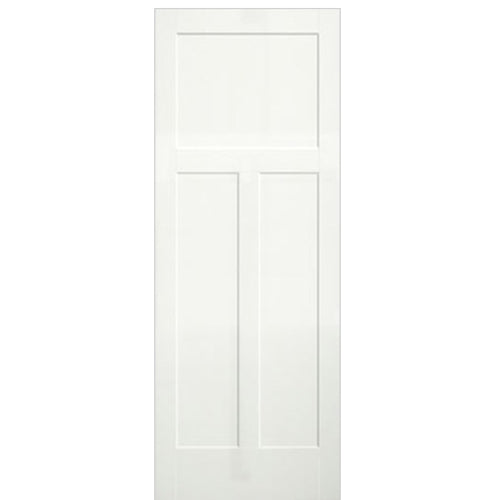
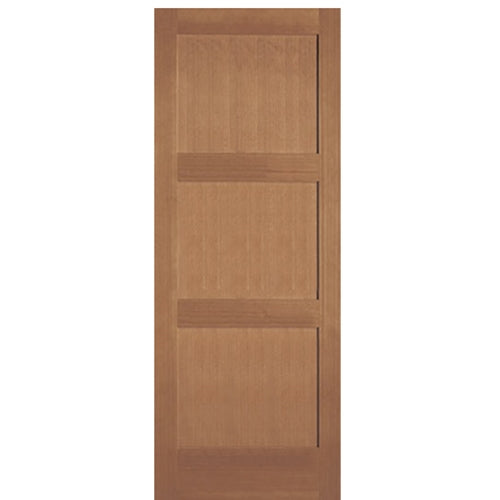
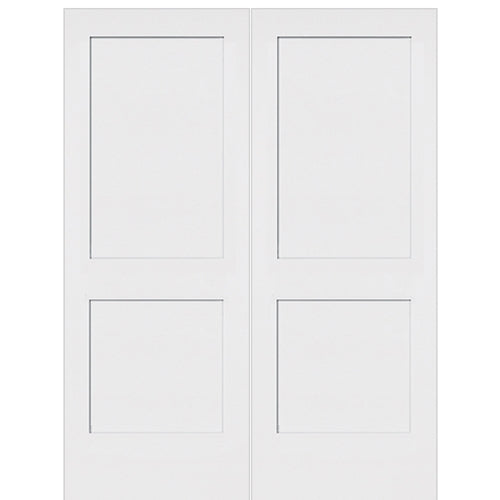
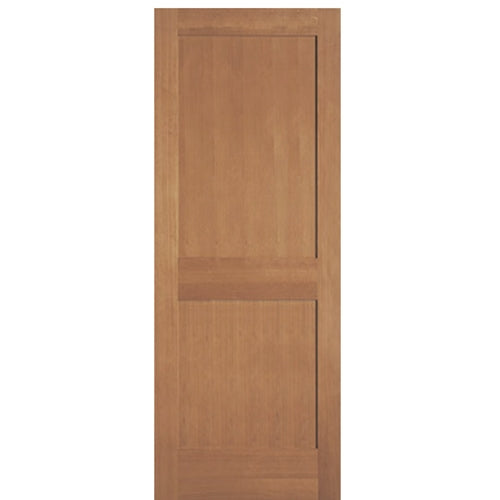
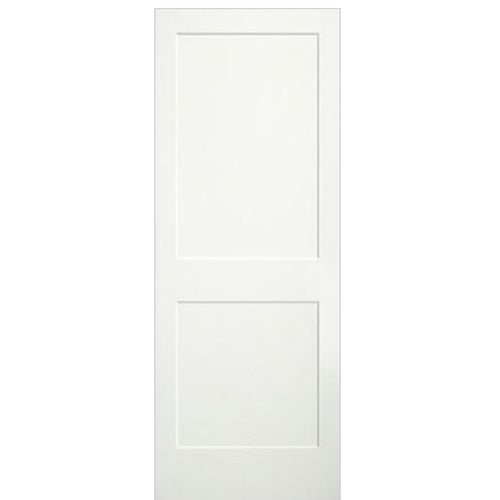
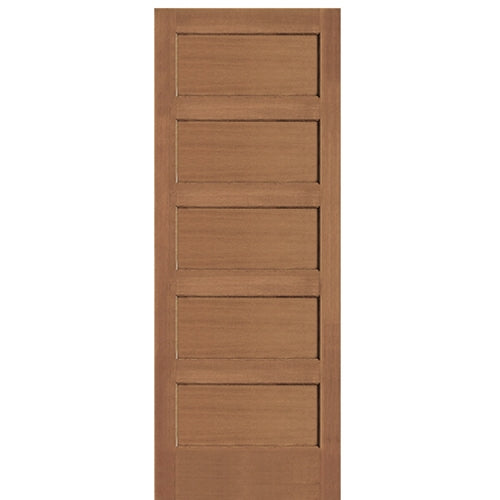
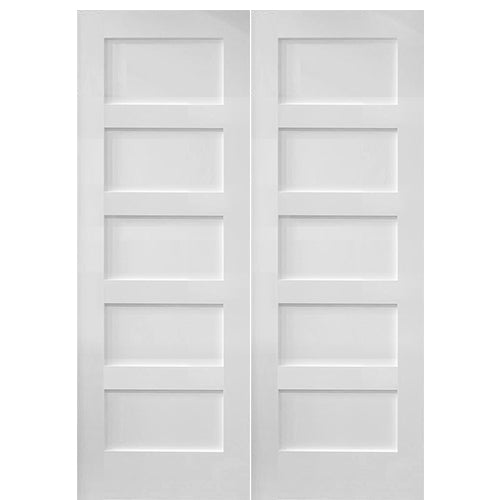
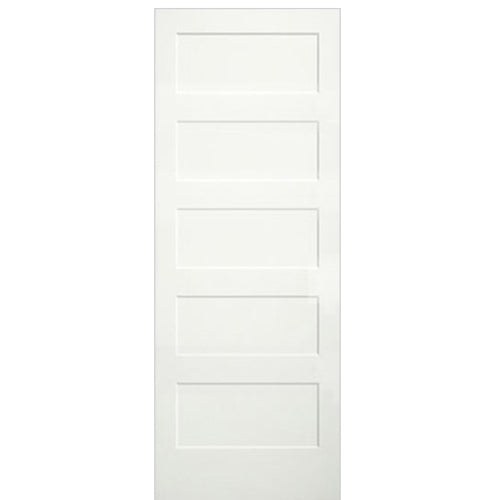
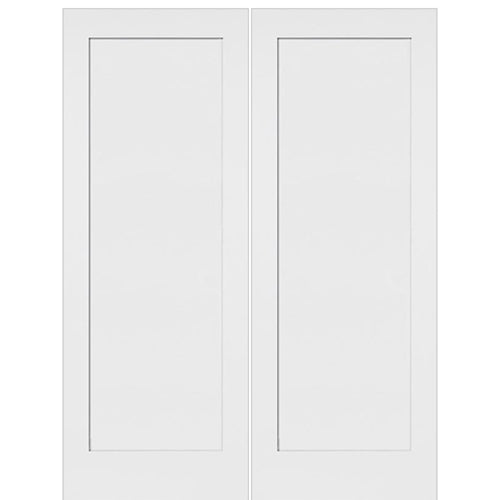
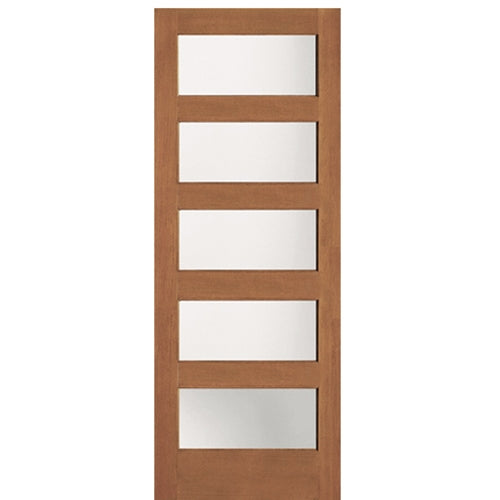
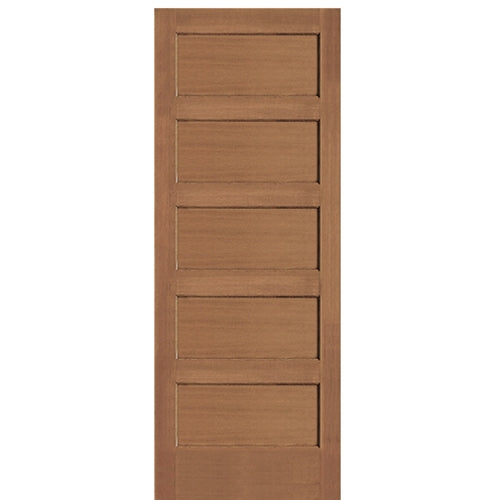
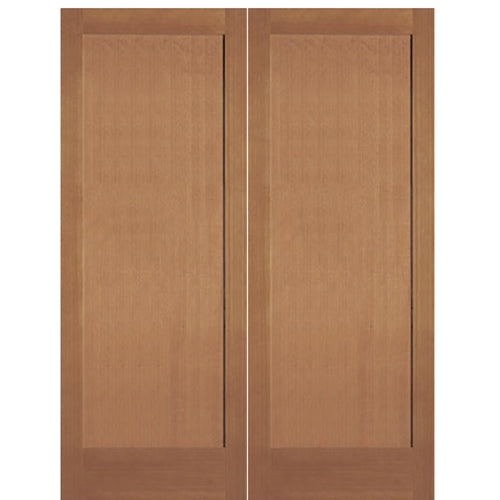
  • Panel Doors: Feature raised or recessed panels. These come in 1-panel, 2-panel, 3-panel, 5-panel, shaker, or decorative styles.
  • Flush Doors: Completely flat on both sides with a smooth or wood-grain finish. Clean, minimal, and modern.
  • Barn / Sliding Wood Doors: Surface-mounted sliding doors that save space and add visual interest.

What are the standard sizes for wood interior doors?

Most interior wood doors follow common size ranges:

  • Widths: 24", 28", 30", 32", and 36" are the most typical.
  • Heights: Standard height is 80" (6'8"), with 84" and 96" available in many styles.
  • Thickness: Usually 1 3/8" for interior doors; some premium or specialty doors may be 1 3/4".

These standard sizes fit most openings, but custom sizing is available when dealing with older homes or non-standard layouts.

How to choose wood interior doors?

Choosing the right interior door depends on a few key factors:

  • Style of the home: Modern homes often lean toward flush or shaker doors; traditional homes typically pair well with panel designs.
  • Privacy needs: Bedrooms and offices usually benefit from solid or solid-core doors for better sound control.
  • Budget: Hollow core is the most affordable, solid core is the best value for performance, and solid wood is the premium choice.
  • Room use: High-moisture areas (like bathrooms) may benefit from engineered cores for stability.
  • Finish preference: You can choose prefinished options or unfinished doors if you want to stain or paint them yourself.

What are the benefits of wood interior doors?

  • Natural beauty: If you elect to choose an unfinished or nautural finish, the wood has warmth, grain variation, and character that other materials can’t fully replicate.
  • Sound reduction: Solid or solid-core doors do a better job blocking noise than hollow alternatives.
  • Durability: Quality wood doors can last decades when maintained properly.
  • Flexible finishes: They can be painted, stained, or refinished over time if your style changes.
  • Wide range of styles: From sleek and modern to classic and decorative, wood works with almost any interior.

How to maintain wood interior doors?

Wood doors are fairly low-maintenance, but a few habits help them stay in good shape:

  • Keep them clean: Periodically wipe them down with a soft cloth and mild cleaner.
  • Monitor humidity: Try to keep indoor humidity consistent to reduce swelling or warping.
  • Check hardware: Tighten hinges and handles as needed to prevent sagging or rubbing.
  • Touch up finish: If the door is painted or stained, occasional touch-ups keep it protected and looking fresh.

Can interior wood doors be painted or stained?

Yes. Most wood doors are either paint-grade or stain-grade. Paint-grade doors have smoother surfaces meant for paint, while stain-grade doors use higher-quality wood veneers or solid wood designed to showcase the grain.

What’s the difference between stain-grade and paint-grade wood?

Stain-grade wood features attractive grain patterns meant to be highlighted with stain, while paint-grade wood has a smoother surface optimized for painted finishes.

Do wood interior doors help with soundproofing?

Solid and solid-core doors do. Hollow core doors provide limited sound control, so bedrooms, offices, and media rooms usually benefit from a heavier door.

Are wood interior doors good for bathrooms?

They can be. For bathroom use, solid-core or engineered wood doors tend to hold up better than solid wood because they’re more resistant to moisture-related expansion, especially in well-ventilated spaces.

What’s the expected lifespan of a wood interior door?

With proper care, a wood interior door can easily last 20–30 years or more. Solid wood doors typically last the longest.

Do interior doors come prehung or slab-only?

Either. Slab doors include just the door panel, while prehung doors include the door, frame, hinges, and prep work. Prehung is easier for most installations.

What wood species are commonly used for interior doors?

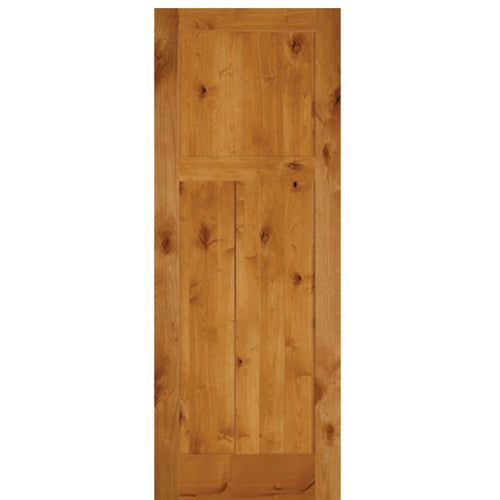
Popular species include oak, fir, alder, pine, walnut, and birch. Each has its own grain pattern, color tone, and price point.

Are custom sizes available?

Yes, if you're interested in custom sizes for your interior doors, you can give us a call or fill out our custom door form.